
Why Pippo
In 1420, Filippo Brunelleschi did the impossible.
His friends called him Pippo. Six centuries later, his thinking still holds up, and it is how we built our platform.
Six lessons from the dome of Florence, and what each means for a privacy assessment.
The problem
A span no one knew how to cross.
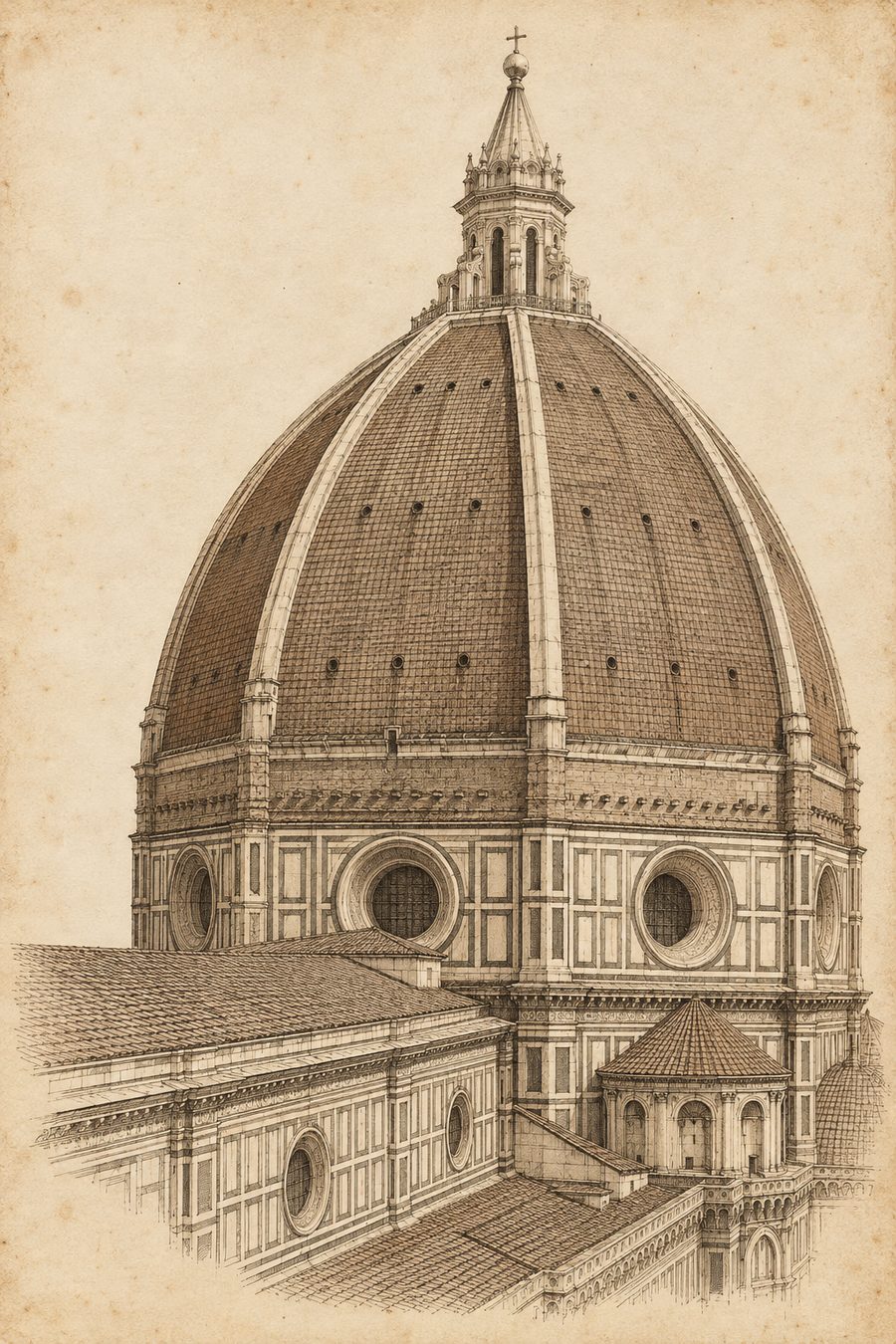
Santa Maria del Fiore had stood for decades with a hole at its heart. The crossing was 45 metres wide. No scaffolding could reach across it, and no one had built a dome that large since antiquity.
The privacy parallelYour data crosses borders, vendors and systems that no single person has fully mapped. The gap is real, and guessing at it is how exposure happens.
Method, not opinion
He won with a method, not a promise.
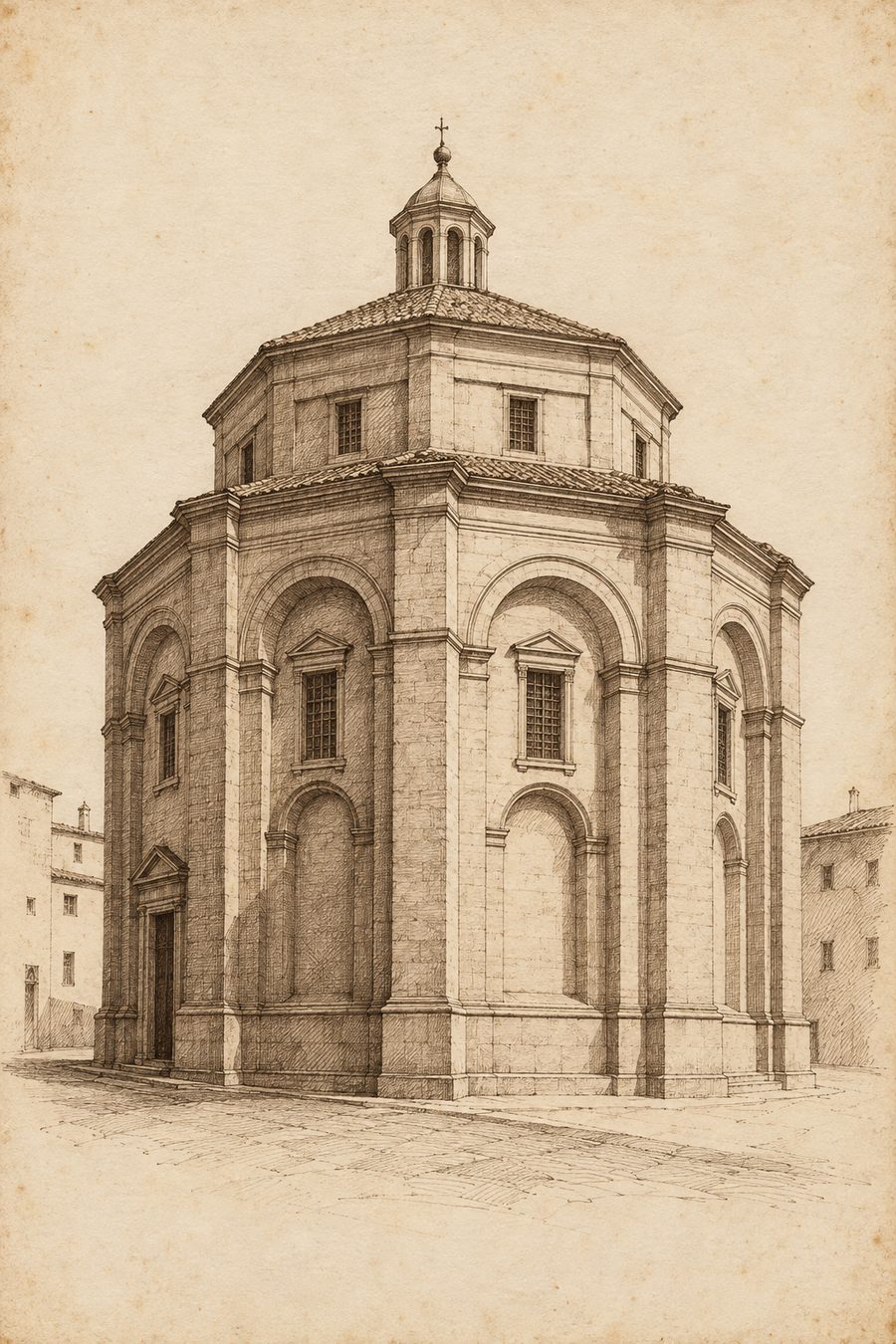
Brunelleschi did not win the commission by claiming it could be done. He won by showing how, course by course, with a wooden model and a plan anyone could follow and check.
The privacy parallelA defensible assessment rests on a repeatable method, not a consultant's say-so. Pippo documents how every finding was reached, so your work stands up to scrutiny.
The double shell
Two shells. One structure.
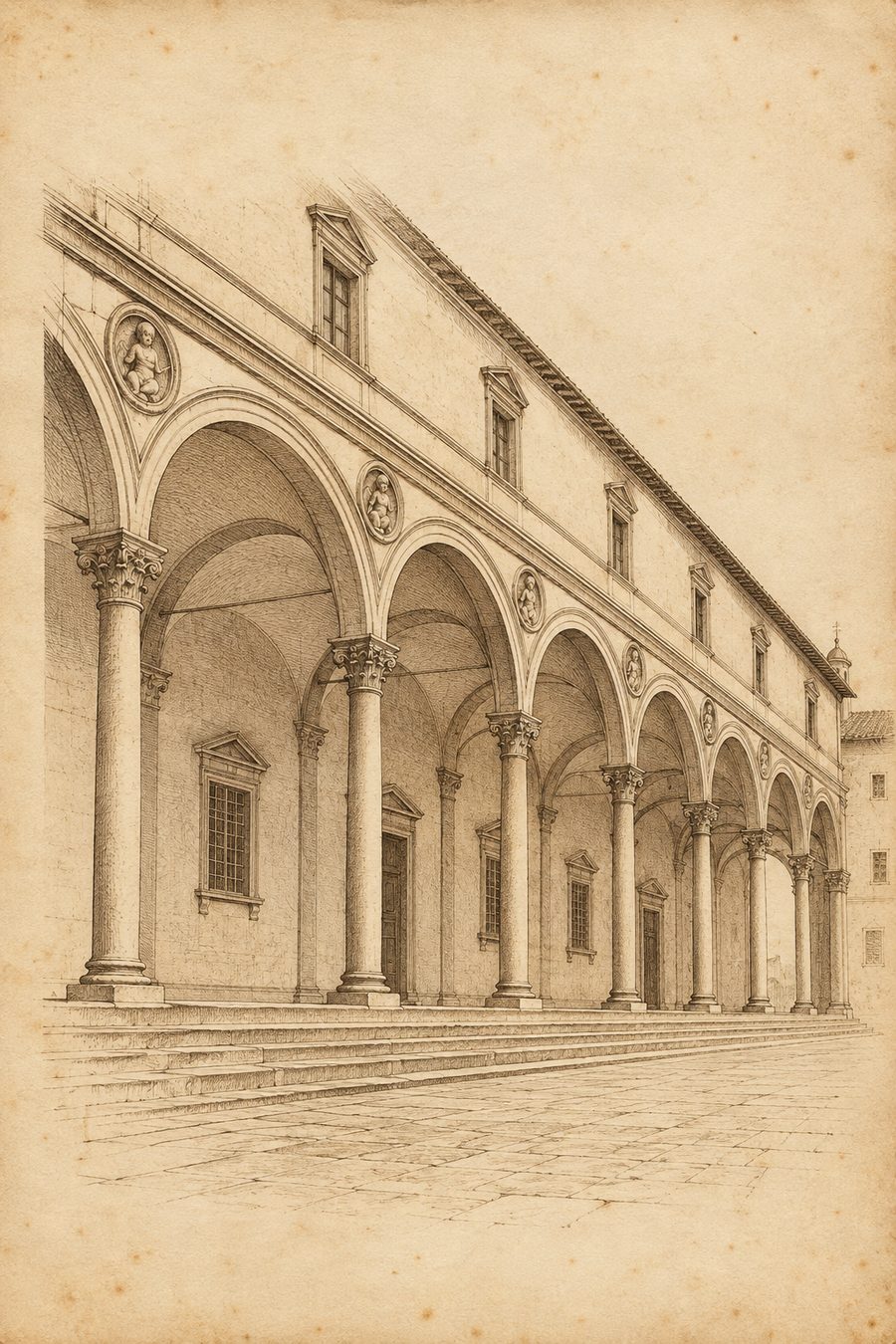
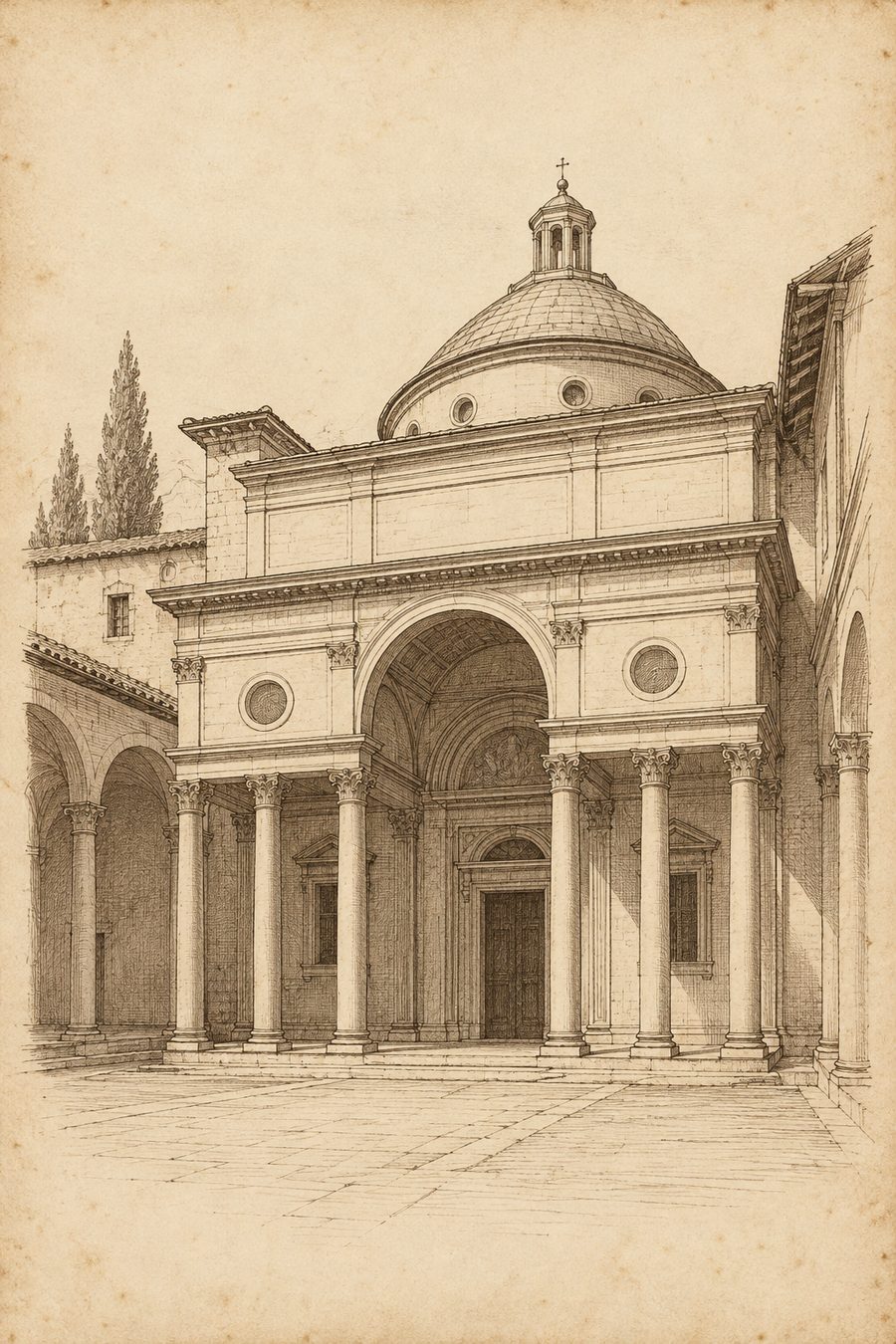
The dome is built as two shells, an inner one that carries the load and an outer one that protects it. Each does a different job, and together they do what neither could alone.
The privacy parallelPippo looks at two layers at once: the controls you claim to have, and the evidence that proves they work. A control without evidence is just an outer shell with nothing underneath.
The herringbone pattern
Every brick held the next one up.
Brunelleschi laid the bricks in a herringbone pattern so each one locked the ones around it. The dome supported itself as it rose, which is why it needed no scaffolding beneath.
The privacy parallelIn a Pippo assessment, each finding connects to the next. Nothing sits in isolation, so the full picture holds together instead of falling into a pile of disconnected notes.
Course by course
Finish each ring before the next.
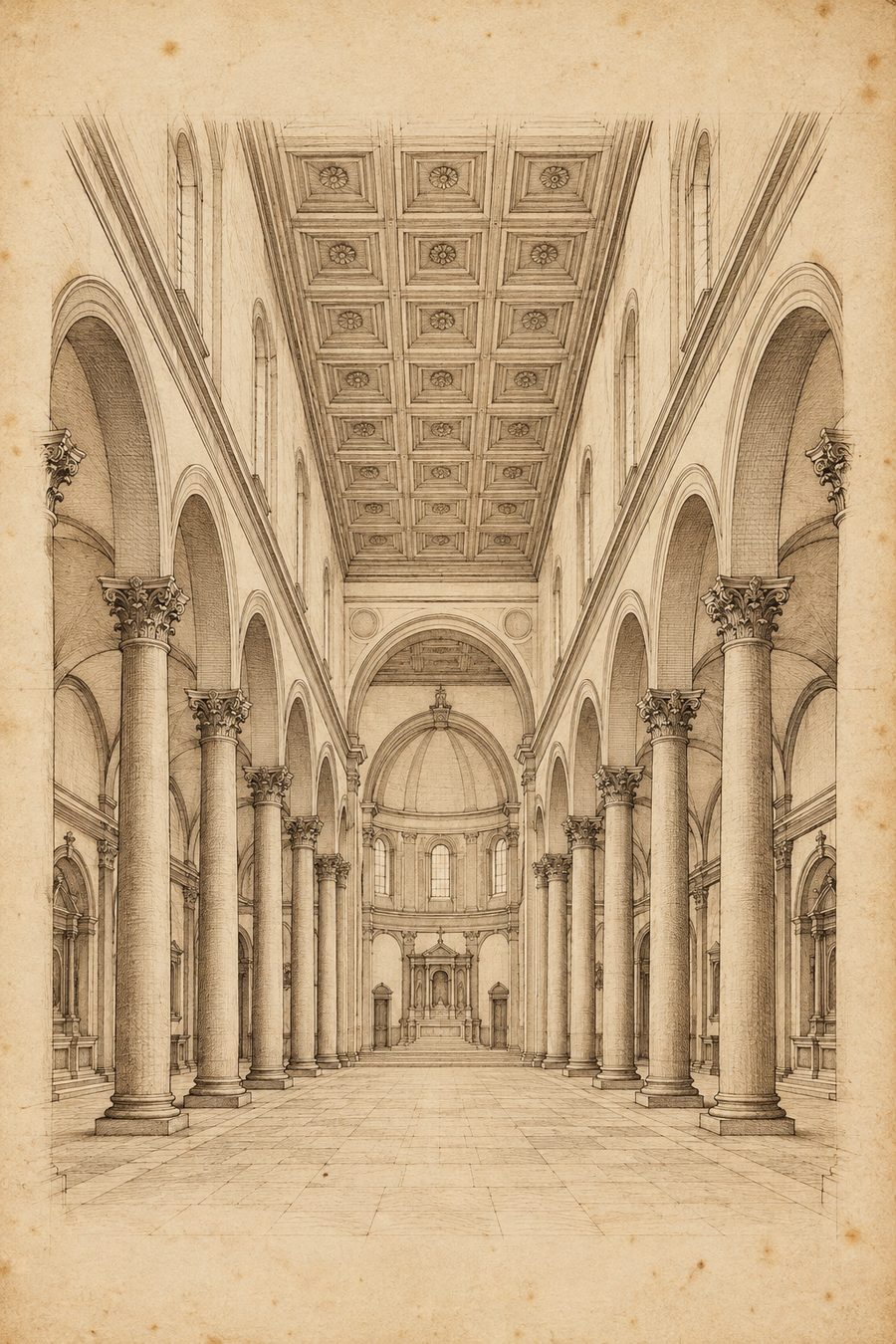
The dome was raised one complete circle at a time. Every course was closed before the next began, so the structure was sound at every height, not just at the end.
The privacy parallelPippo works through your assessment in a structured sequence. Each area is completed, not skimmed, so coverage is holistic and gaps are far less likely to slip by.
The lantern
The weight on top is what holds it together.
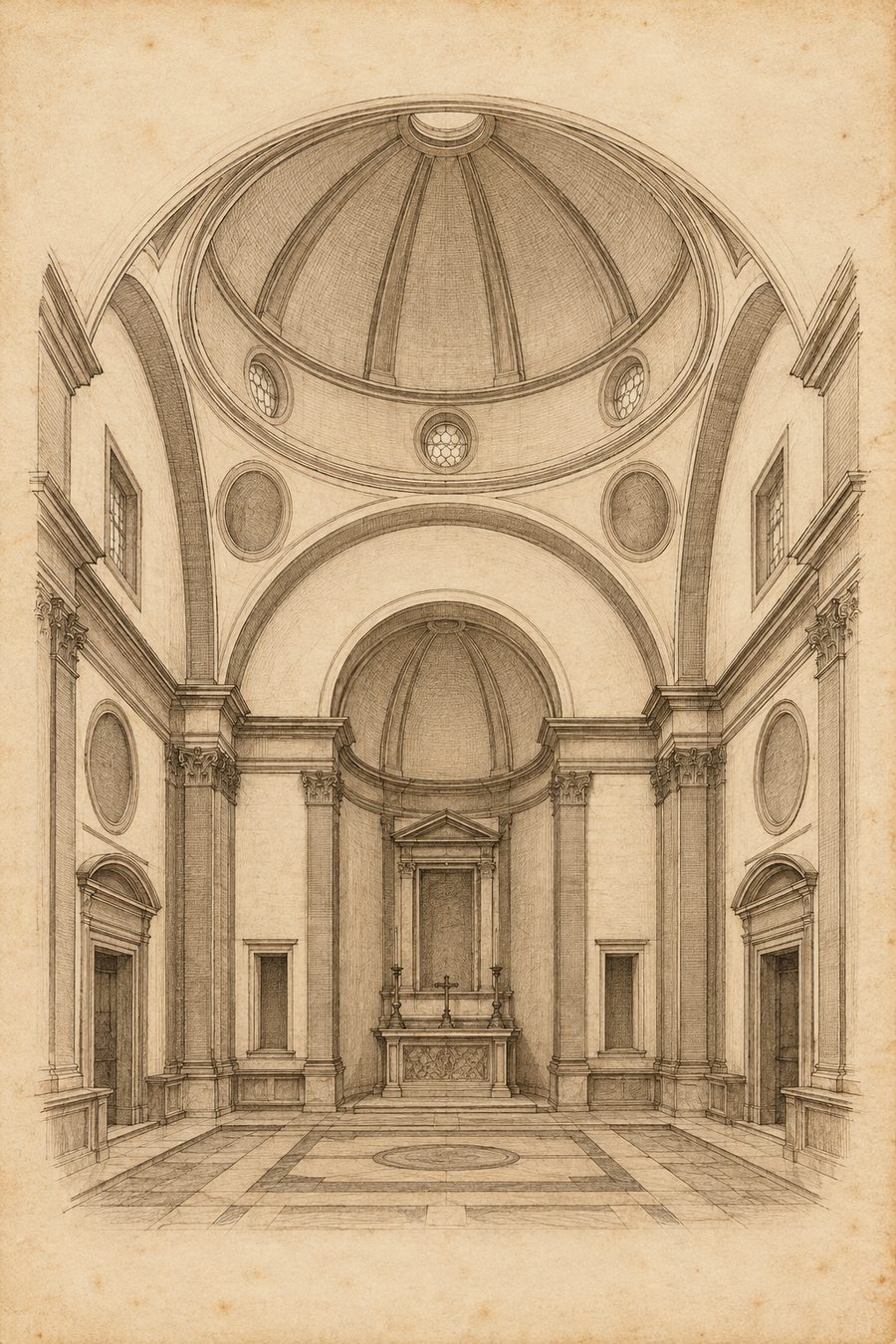
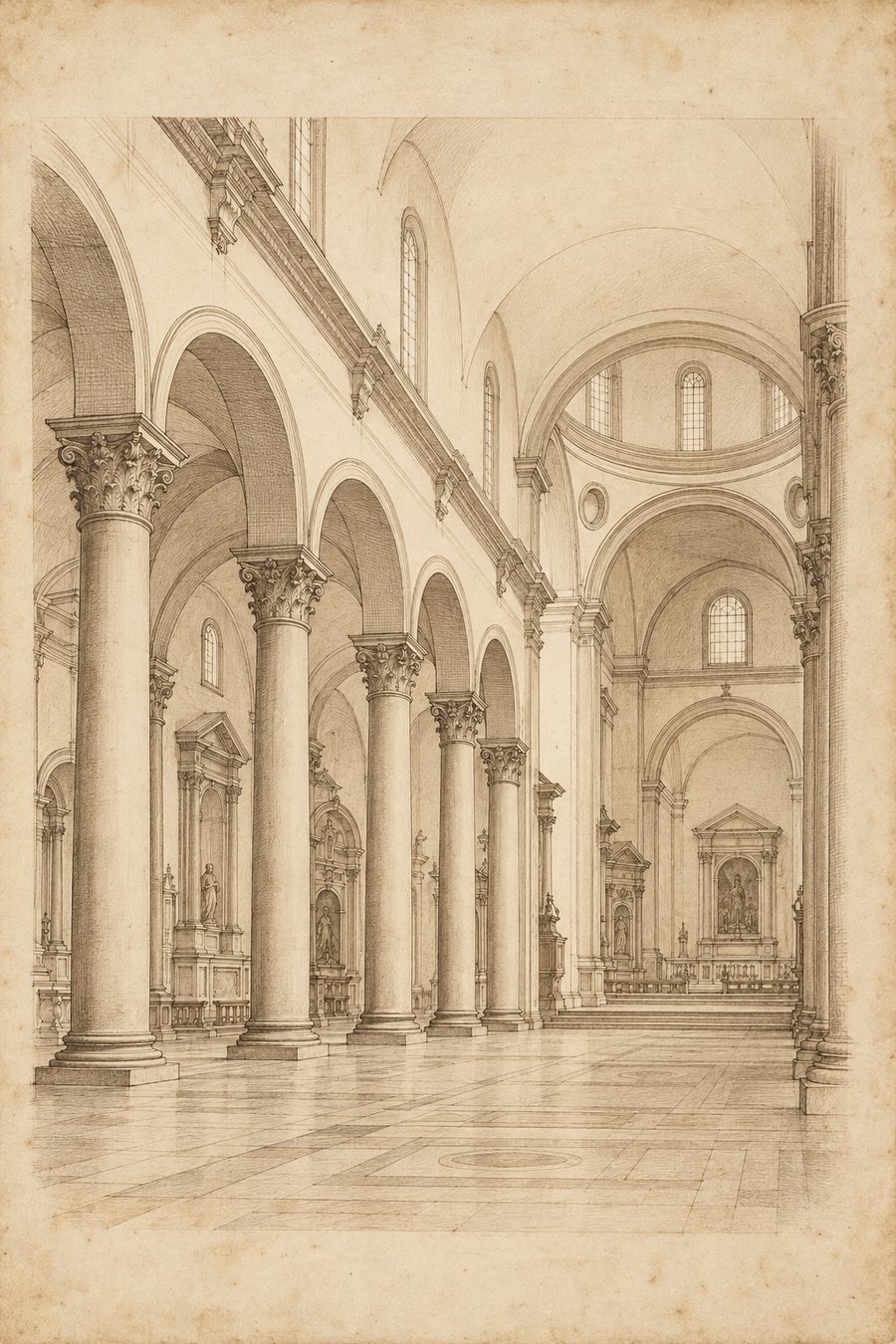
The marble lantern was not decoration. Its weight presses the dome's panels inward and keeps them from spreading. The finishing touch is also the thing that makes the whole structure secure.
The privacy parallelPippo pairs structured analysis with human judgment. A named reviewer signs off on the findings, the verification step that holds the assessment together and makes it defensible.

Thorough. Secure. Holistic.
The way you build something meant to last.
Privacy, made manageable. Understand your gaps. Prioritize your next steps.
Named for Filippo “Pippo” Brunelleschi, 1377 to 1446.